1. Safety talk
The team explains how to avoid sticks, what to do if someone is exposed and who should stay out of the area.
University District, Seattle, WA · King County
One needle usually means there could be more. In University District, call (877) 812-4220 for a careful sweep of the property, safe collection of every sharp and cleaning of the surfaces they lay on.
If anyone is in danger, call 911 first. For a suicide crisis, call or text 988.
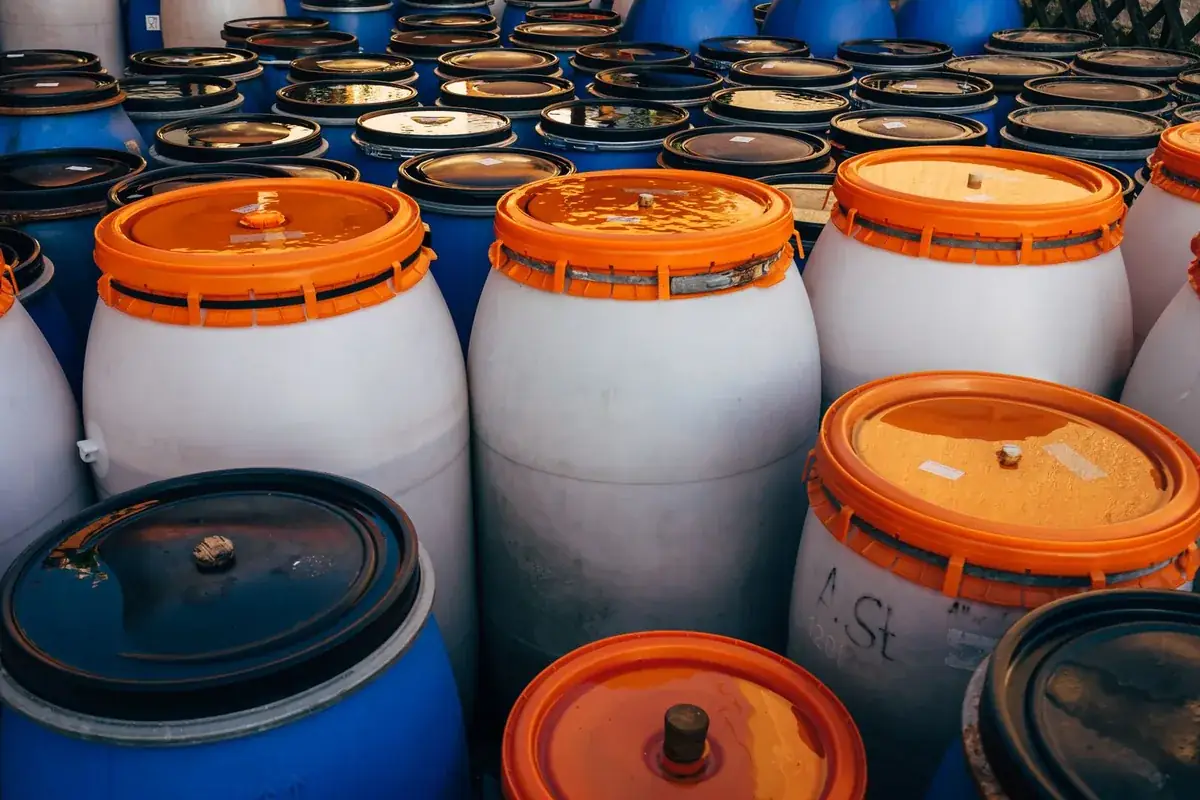
Needle removal is the work of finding and lifting loose sharps without risking a stick. It covers outdoor lots, rental units, restrooms, storage areas and any place where syringes may have been left.
You will not be judged when you call University District Biohazard Cleanup Help about needles in University District or King County. Crews focus on making the property safe and on disposing of sharps properly, following the rules for regulated medical waste.
Renters make up about 56% of households in Seattle, so landlords and property managers often need a sharps sweep after a move-out. After a needle stick, wash with soap and water and get medical care. Virginia Mason Medical Center in Seattle is the closest emergency room to University District.
Needle & Sharps Cleanup in University District usually includes:
The team explains how to avoid sticks, what to do if someone is exposed and who should stay out of the area.
The team moves in a set pattern so no section is skipped, since a single missed needle is still a hazard.
Sharps are locked in secure containers marked for medical waste.
The crew removes the containers, double-checks the space and answers questions before leaving.
The cost of needle & sharps cleanup in University District, Seattle, WA depends on the amount of material, how it is packed and how it is hauled.
The number of sharps matters because each needle must be found, lifted and sealed, and large amounts mean more containers and more disposal.
| Type of job | Typical range |
|---|
Published ranges only (); every needle & sharps cleanup job in University District is priced after an on-site look. Price drivers include number of items, where they are found, whether a sweep of a large area is needed, waste disposal. Questions? Call (877) 812-4220.
Try the University District Biohazard Cleanup Cost Calculator →
No. This page explains how needle and sharps cleanup works. It is not medical, legal or insurance advice. For exposure or symptoms, contact a doctor or Poison Control, and for local programs ask the health department.
Wash the area with soap and water and get medical care right away. Call 911 in an emergency, or Poison Control with exposure questions. Tell the doctor what happened and where the needle was found, if you know. Do not wait to see whether symptoms appear.
Yes. Insulin pen needles, lancets and similar small devices are sharps, even though they are used for health care. They should go into a rigid container, never loose into trash.
No. Do not search for them yourself. Tell the team what you have seen and where, and the crew will check the rest of the space in protective gear. Searching by hand is how many sticks happen.
A used needle can carry bloodborne pathogens such as hepatitis B, hepatitis C and HIV. The chance of infection from one stick depends on many things, and a doctor can explain what applies. Get medical care promptly after any stick or cut.
Yes, because children may pick up what they find. Teach children to stay back from any needle and tell an adult. If a child touches or is stuck by a needle, wash the area, get medical care and call Poison Control.
See all biohazard cleanup services in University District, Seattle, WA →
Do not pick it up. Call and let a cleanup team remove it safely.
Call (877) 812-4220